Blog 12: BMW Diesel DPF, EGR, Swirl Flap & AdBlue Problems
Common BMW Diesel Problems We See In The Workshop
Modern BMW diesel engines use a number of emissions systems to control exhaust gases and improve efficiency, including EGR, DPF, swirl flaps and, on newer models, AdBlue/SCR systems.
As these vehicles age and accumulate mileage, these systems can become contaminated, restricted or develop component and sensor faults.
At BM Performance, these are problems we regularly diagnose and repair in our workshop.
The important thing is not simply to replace the component that has triggered a fault code. These systems work together, so finding the underlying cause is essential.
EGR Problems
The EGR (Exhaust Gas Recirculation) system recirculates a controlled amount of exhaust gas back into the engine.
Over time, carbon and soot deposits can build up within the EGR valve and intake system, potentially causing the valve to stick or operate incorrectly.
Common symptoms include:
Engine management warning
Reduced power
Rough running
Poor acceleration
Increased fuel consumption
Excessive smoke
EGR-related fault codes
Our solution
Depending on the diagnosis, we can provide:
Full BMW-specific diagnostic testing
EGR valve inspection and testing
EGR valve replacement
EGR system cleaning where appropriate
EGR cooler diagnosis/replacement
Sensor and wiring diagnosis
Required adaptations and coding following repair
Swirl Flap Problems
Swirl flaps are located within the intake manifold and help control airflow into the engine.
Because the intake system is exposed to EGR gases and oil vapour, carbon deposits can build up around the flaps and restrict their movement.
The actuator and linkage can also fail.
Symptoms can include:
Reduced performance
Poor low-speed response
Engine management light
Rough running
Increased smoke
Swirl flap actuator fault codes
Our solution
We can inspect the complete intake system and, where required:
Remove and inspect the intake manifold
Clean carbon deposits
Check the swirl flap mechanism
Test the actuator
Replace faulty components
Replace the intake manifold where necessary
Carry out associated adaptations and diagnostic checks
Cleaning or replacing the component without addressing the cause can result in the fault returning, which is why proper diagnosis is important.
DPF Problems
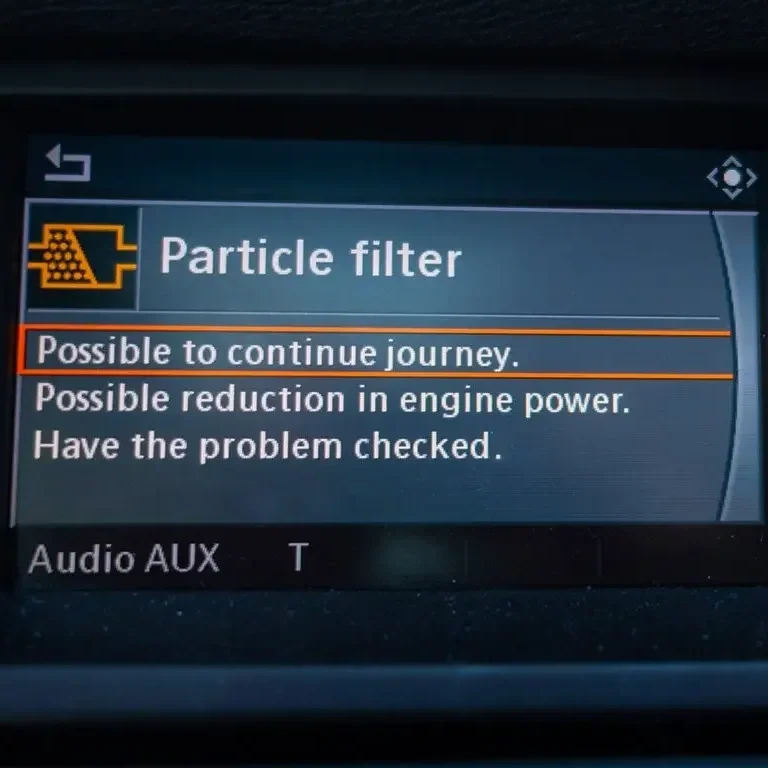
The Diesel Particulate Filter (DPF) traps soot from the exhaust and periodically regenerates to burn off the accumulated soot.
Short journeys, interrupted regeneration cycles and underlying engine faults can cause excessive soot loading.
A DPF problem can also be a symptom of another fault, such as an EGR, boost, injector or sensor issue.
Common symptoms:
DPF warning
Engine management light
Reduced power
Limp mode
Increased fuel consumption
Frequent regeneration
Cooling fans running after the engine is switched off
Our solution
Our diagnostic process can establish the condition and loading of the DPF before deciding on the correct repair.
Depending on the condition, solutions can include:
BMW-specific diagnostic testing
DPF soot and pressure assessment
Regeneration where appropriate
DPF cleaning
Differential pressure sensor testing/replacement
Exhaust temperature sensor diagnosis
Investigation of the underlying cause of excessive soot
DPF replacement where the filter is damaged or beyond cleaning
A forced regeneration isn't always the answer. If another fault is causing excessive soot production, the DPF can simply become blocked again.
AdBlue & NOx Problems
Many newer BMW diesel models use AdBlue/SCR technology to reduce NOx emissions.
These systems contain several components, including NOx sensors, AdBlue pumps, injectors, heaters and control systems.
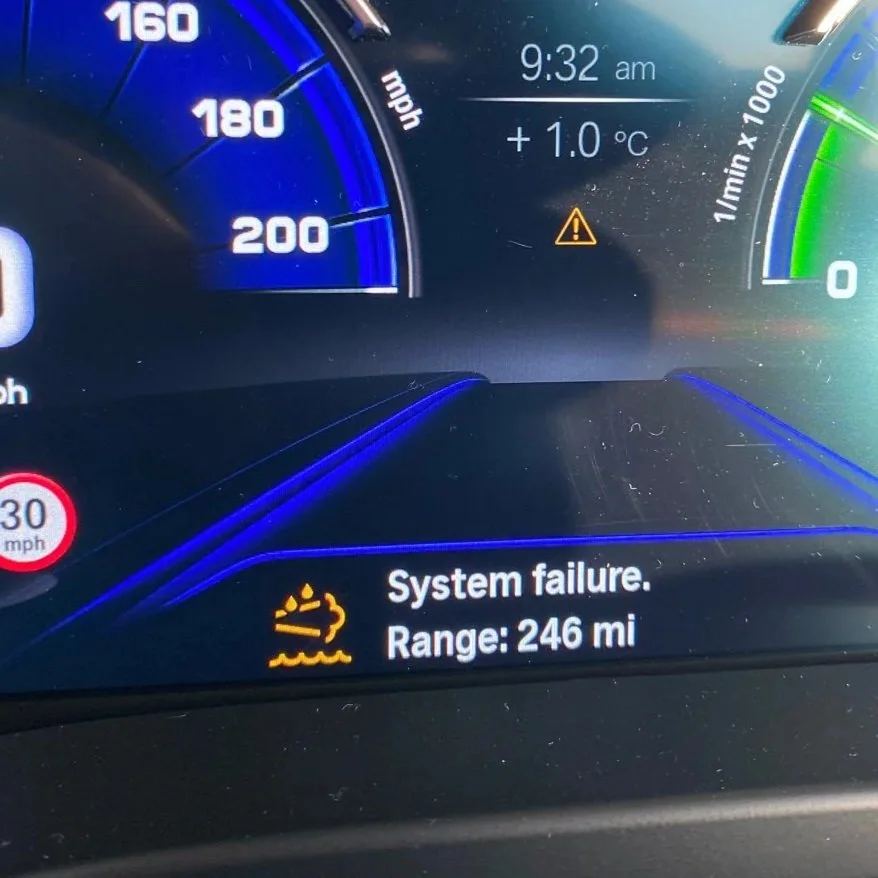
A failure of any of these components can result in an emissions warning or an AdBlue no-start countdown.
Common faults include:
NOx sensor failure
AdBlue injector problems
AdBlue pump faults
AdBlue pressure faults
Heater faults
Wiring and electrical issues
SCR efficiency faults
Our solution
We can diagnose the complete AdBlue/SCR system to identify the actual cause of the fault.
Depending on the diagnosis, repairs can include:
NOx sensor replacement
AdBlue injector replacement
AdBlue pump diagnosis/replacement
Heater system diagnosis
Wiring and electrical repairs
SCR system testing
Required resets, adaptations and coding following repair
Why Proper Diagnosis Matters
One of the biggest mistakes with modern BMW diesel emissions faults is replacing parts based solely on a fault code.
For example, a DPF fault doesn't necessarily mean the DPF itself has failed.
An EGR problem can increase soot production, which can then cause DPF loading. Similarly, a faulty sensor can cause the vehicle to incorrectly manage one of these systems.
That's why we start with a full diagnostic assessment rather than simply replacing the component associated with the warning message.
BMW Diesel Diagnostics & Repairs at BM Performance
If your BMW is displaying an engine management light, DPF warning, AdBlue warning, emissions fault or drivetrain message, our team can diagnose the vehicle and establish the correct repair.
We can provide:
🔧 BMW-Specific Diagnostics
⛓ Swirl Flap & Intake Repairs
♻️ EGR Diagnosis & Replacement
🔥 DPF Diagnostics, Cleaning & Replacement
💧 AdBlue & SCR System Diagnosis
📡 NOx Sensor Diagnosis & Replacement
⚙️ Sensor, Wiring & Electrical Fault Finding
💻 BMW Coding, Adaptations & System Resets
Our aim is simple: identify the root cause, recommend the correct repair and avoid unnecessary parts replacement.
DPF, EGR, Adblue, Swirl Flap Deletes
For dedicated off-road, track and performance vehicles, deleting certain emission systems can offer benefits as part of a wider performance build.
DPF deletes can reduce exhaust restriction and backpressure, while EGR deletes can reduce soot entering the intake and help prevent carbon build-up. AdBlue/SCR deletes remove the use of the associated tank, pump, injector and sensor systems, reducing potential failure points. Swirl flap removal can eliminate a common mechanical failure point and simplify the intake system on certain engines.
Removing these systems can improve reliability by eliminating common failure points, improve engine performance and fuel economy, and reduce issues associated with diesel engine short-distance driving.
If you're experiencing a BMW diesel emissions problem, contact BM Performance to arrange a diagnostic assessment.
👉 Book Now or call us to discuss your vehicle.
BM Performance
Staffordshire's Independent BMW & MINI Specialists
Performance | Styling | Multimedia
NOTE: Emission system tuning, such as DPF, EGR, CAT deletes, are designed for motorsport use only, not public roads.
BMW DPF delete, BMW EGR delete, BMW AdBlue delete, BMW swirl flap delete, BMW diesel problems, BMW diesel emissions problems, BMW DPF problems, BMW EGR problems, BMW AdBlue problems, BMW swirl flap problems, BMW DPF regeneration problems, BMW diesel performance, BMW diesel tuning, BMW diesel reliability, BMW diesel specialist, BMW diesel diagnostics, BMW DPF removal, BMW EGR removal, BMW AdBlue removal, BMW swirl flap removal, BMW performance modifications, BMW off road diesel, BMW track car diesel, N47, B37, B47, N57, B57, M57, M47
