Blog 14: BMW B37 B47 Diesel Wiring Loom Failure: Diesel Contamination Explained
The BMW B37 B47 diesel engine is fitted to a wide range of BMW and MINI models, offering an excellent balance of performance, economy and everyday reliability. However, owners of certain B37/47-equipped vehicles should be aware of a potentially serious fault involving the fuel system and engine wiring loom.
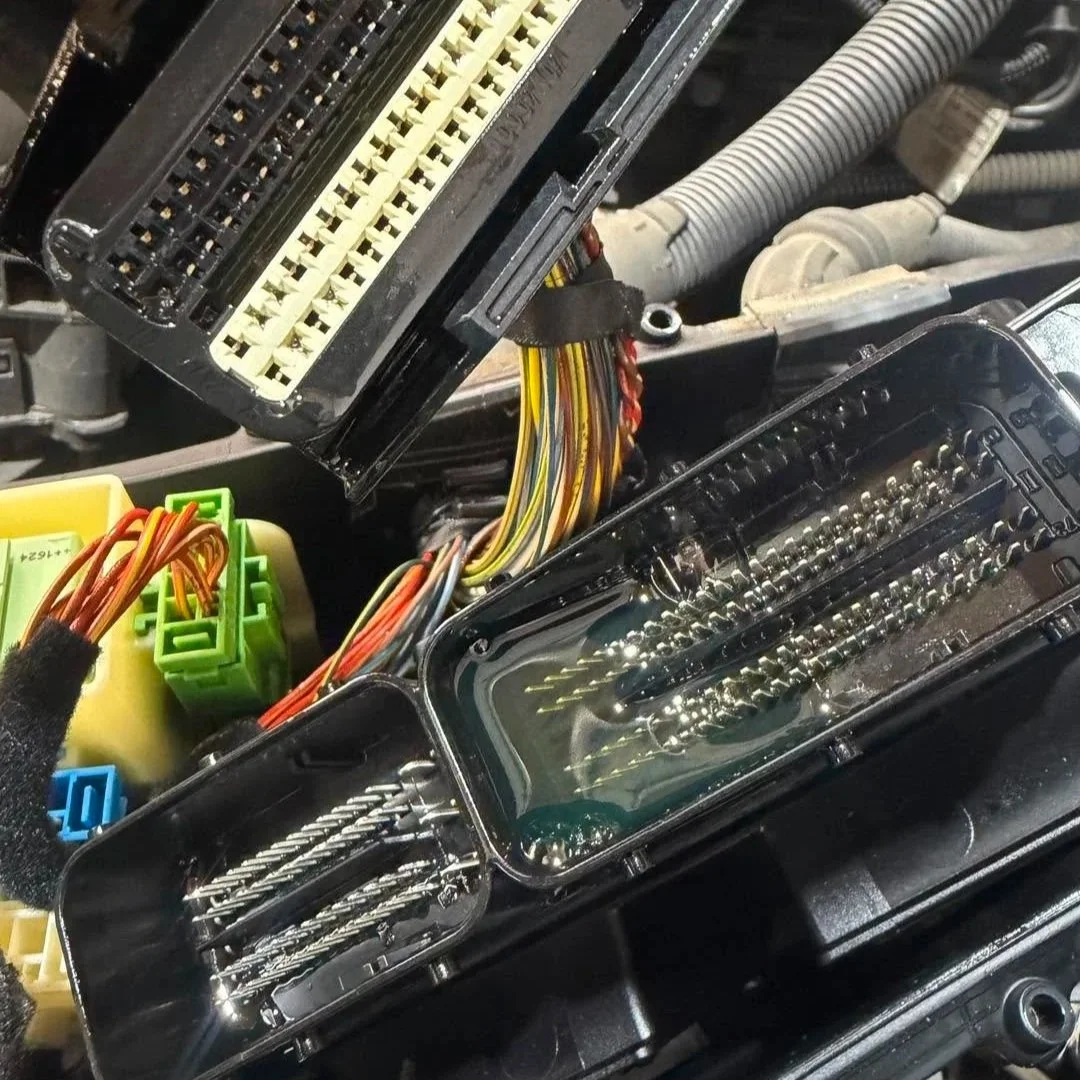
In reported cases, a leaking low-pressure fuel sensor allows diesel to enter the electrical connector and travel through the engine wiring harness. If the problem goes unnoticed, the contamination can spread to multiple electrical components, potentially including the engine control unit (DDE).
What initially appears to be a relatively minor sensor fault can therefore develop into a much more expensive electrical repair.
What Causes Diesel to Enter the Wiring Loom?
The issue has been reported on various BMW and MINI models equipped with the B37/47 diesel engine, including some vehicles from the F-series generation.
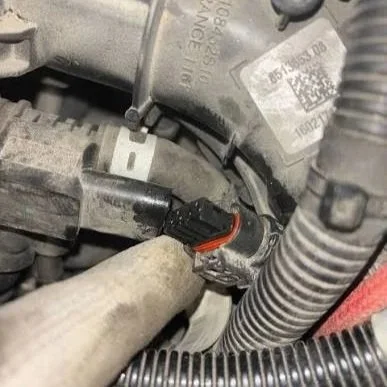
The suspected source is the low-pressure fuel pressure and temperature sensor incorporated into the fuel supply line. Unlike the high-pressure fuel rail sensor, this component is associated with the low-pressure fuel supply system.
If the sensor develops an internal leak, diesel can escape through the electrical connection and enter the wiring harness.
The problem is made worse by a process known as capillary action. The small spaces between electrical conductors and their insulation can allow liquid to migrate along the wiring, carrying diesel well beyond the original leak.
As a result, fuel may travel through the engine loom and reach other electrical connectors, sensors and potentially the DDE engine control unit.
One of the biggest concerns is that this can happen without an obvious external fuel leak. There may be no puddle beneath the vehicle or any clear indication of a fuel leak in the engine bay.
Which BMW and MINI Models Can Be Affected?
The B37/B47 engine is used across numerous BMW and MINI applications. Models equipped with versions of this engine include:
BMW 1 Series, including selected 118d and 120d models.
BMW 2 Series, including selected 218d and 220d models.
BMW 3 Series, including selected 316d, 318d and 320d models.
BMW 4 Series diesel models.
BMW 5 Series, including selected 518d and 520d models.
BMW X1 and X2 diesel models.
BMW X3 diesel models
MINI Cooper D and Cooper SD models
Symptoms of Diesel Contamination in the Engine Wiring Loom
The symptoms can vary significantly depending on how far the diesel has travelled and which electrical components have been affected.
1. Engine Management Warning Lights
The first indication may be an engine management light or a fault relating to fuel pressure, fuel temperature or an electrical sensor circuit.
These faults can initially appear to be isolated component failures, making it easy to overlook the possibility of contamination within the wiring harness.
2. Multiple Unrelated Fault Codes
As diesel spreads through the loom, several components may begin reporting electrical faults.
Depending on the affected circuits, diagnostic scans may reveal faults relating to sensors, actuators, air management or other engine control systems. Multiple apparently unrelated electrical faults should prompt a thorough inspection of the wiring and connectors rather than immediate replacement of individual components.
3. Fuel Pressure Problems
Faults relating to low-pressure fuel supply or implausible fuel pressure readings may be an early warning sign.
Where the low-pressure sensor or its wiring is affected, the DDE may receive an incorrect signal, potentially resulting in poor running, reduced performance or an engine that fails to start.
4. Turbocharger or Other Actuator Faults
Reported cases have included electrical faults involving turbocharger control and other engine actuators.
This does not necessarily mean the actuator itself has failed. Where diesel has entered its electrical connector or the associated wiring, the underlying cause may be the contaminated loom.
Replacing an expensive actuator without checking its wiring could therefore lead to unnecessary costs.
5. Starting Problems or DDE Communication Faults
In more advanced cases, contamination can reach the engine control unit or affect its power supply and electrical connections.
This may cause persistent faults, communication problems or a non-starting vehicle. Damage to the DDE can significantly increase the cost and complexity of the repair.
Related fault codes:
26CF00: Fuel pre-supply pressure too low (often the primary symptom of the leaking sensor)
24CF00: Measured air mass too low compared to calculated air mass
249400: DDE, supply to sensor system / actuator 1: Short circuit to B+ or ground
25D800 / 25ED00: Accelerator pedal module sensor signal / plausibility errors
25CF00: Charging pressure sensor, range / physical limit undershot
25E200: Exhaust gas pressure sensor (DPF) open or short circuit
24F400 / 28E400 / 241800: Electric fan activation open circuit or short to ground
24BB00 / 24BF00: Cylinder injector zero-quantity adaptation correction too high
How Is the Fault Diagnosed?
Correct diagnosis is essential because the initial fault codes may not identify the true cause of the problem.
A suitable diagnostic and inspection process should include the following steps.
1. Carry out a complete diagnostic scan
Read the DDE fault memory and assess whether the faults point towards a single component or multiple electrical circuits. Record the fault codes and relevant environmental data before clearing anything.
2. Inspect the low-pressure fuel sensor and connector
Check the relevant fuel supply line and sensor assembly for signs of leakage. Disconnect the electrical connector with the ignition off and follow the appropriate safety procedures to inspect for diesel contamination.
3. Inspect the engine wiring loom
Look beyond the original sensor connector. Check accessible wiring branches and other connectors for wetness, oily residue or evidence that diesel has migrated along the harness.
4. Check the DDE and other affected components
If contamination is discovered, assess how far it has travelled. Inspect the relevant connectors and control-unit connections according to BMW's repair procedures, taking care not to introduce further contamination or damage sensitive electronics.
5. Confirm the underlying cause
Electrical measurements, wiring checks and live diagnostic data can help establish which components and circuits have actually failed. Avoid assuming that every stored fault code represents a separate defective part.
How Is the BMW B47 Wiring Loom Issue Repaired?
The correct repair depends on how early the fault is identified.
If the Leak Is Caught Early
If the sensor is leaking but diesel has not migrated into the wider wiring harness, replacing the defective sensor or associated fuel line assembly may prevent further damage.
The sensor is incorporated into the relevant fuel line assembly on some applications, so the exact replacement arrangement must be confirmed against the vehicle's VIN.
The surrounding connector should still be inspected carefully to establish whether any contamination has occurred.
If Diesel Has Entered the Wiring Harness
Where diesel has travelled into the loom, replacing the original leaking component alone may not be sufficient.
The affected wiring and connectors must be assessed to determine whether they can be safely cleaned and retained or whether replacement is necessary. If contamination is widespread, replacing the affected engine wiring harness may be the appropriate solution.
Simply cleaning the connector at the original sensor will not remove diesel that has already migrated further through the wiring.
If the DDE or Other Components Have Been Affected
If diesel reaches the DDE or other electrical components, additional work may be required.
Depending on the extent of the contamination, this could involve assessment and cleaning where appropriate, electrical testing, component replacement, or control-unit programming and coding.
Not every contaminated control unit will require replacement, but cleaning alone should not be assumed to restore a damaged unit. Its condition must be assessed and verified before the repair is considered complete.
Can This Fault Be Prevented?
There is no single preventative measure that guarantees this issue will not occur. However, early identification can help reduce the risk of extensive damage.
We recommend:
Investigating fuel pressure faults rather than repeatedly clearing the warning light.
Inspecting the relevant low-pressure fuel sensor connector when diagnosing unexplained fuel system faults.
Checking for diesel contamination if several unrelated engine electrical faults appear together.
Investigating any electrical connector found to contain diesel before returning the vehicle to regular use.
Ensuring the source of any leak is corrected and checking the wider harness before completing the repair.
If diesel contamination is suspected, arrange a prompt inspection. Avoid repeatedly operating or driving a vehicle with suspected electrical contamination, particularly if there are multiple faults or signs of control-unit problems.
The Bottom Line: Early Diagnosis Can Save You Money
The BMW B47 diesel wiring loom issue is a reminder that an apparently minor fuel system fault can have consequences beyond the original component.
A leaking low-pressure fuel sensor can allow diesel to migrate through the electrical wiring harness, potentially affecting multiple sensors, actuators and the DDE engine control unit. Because an external leak may not be visible, the first symptoms can be misleading.
The most important step is to identify the source early and establish whether diesel has entered the wider loom before replacing parts unnecessarily.
If your BMW or MINI has unexplained fuel pressure faults, multiple engine electrical warnings or diesel inside an electrical connector, a thorough inspection of the fuel sensor and wiring harness is worthwhile.
At BM Performance, we specialise in BMW and MINI diagnostics, servicing, repairs and performance upgrades. Correct fault-finding is essential to identifying the cause of a problem and determining the most appropriate repair.
Contact our team if you need help diagnosing a BMW or MINI engine management issue.
👉 Book Now or call us to discuss your vehicle.
BM Performance — Staffordshire's Independent BMW & MINI Specialists.
BMW B47 Diesel Wiring Loom Failure: Diesel Contamination Explained
Learn how a leaking BMW B47 low-pressure fuel sensor can allow diesel into the engine wiring loom, the warning signs to look for and how the fault is repaired.
BMW B47 diesel fuel leak,BMW diesel wiring harness contamination,BMW B47 fuel pressure sensor leak,Diesel in BMW engine wiring loom,BMW DDE ECU diesel contamination,BMW 320d wiring loom fault,MINI B47 diesel electrical fault,BMW diesel fuel sensor replacement,BMW engine management fault diagnosis,BMW specialist Staffordshire
